



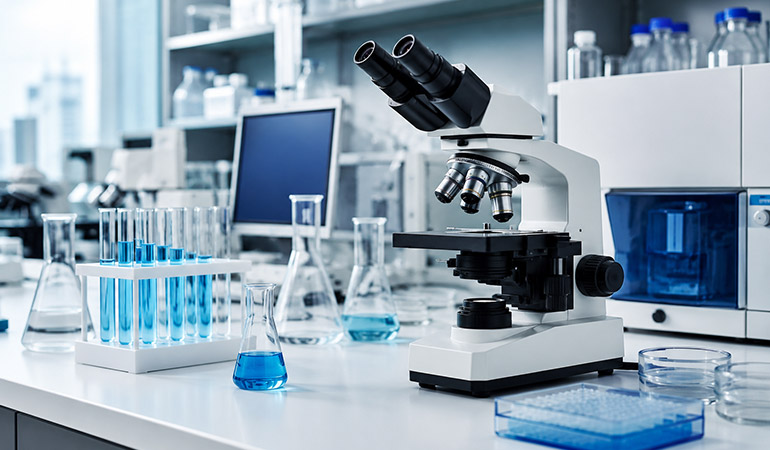
Why Quality Laboratory Equipment Matters for Research and Diagnostics
Laboratories are the backbone of scientific discovery, healthcare advancements, and industrial innovation. Whether it is a medical diagnostic center, a research institute, a biotechnology laboratory, or an educational institution, the accuracy and reliability of results depend heavily on the quality of laboratory equipment used. From microscopes and imaging systems to analytical instruments and sample preparation tools, every piece of equipment plays a vital role in ensuring precise outcomes. Investing in high-quality laboratory equipment is not simply a matter of convenience; it is essential for maintaining reliability, efficiency, and scientific credibility.
The Role of Laboratory Equipment in Scientific Research
Scientific research is built on accuracy, repeatability, and data integrity. Researchers rely on sophisticated laboratory instruments to observe microscopic structures, analyze chemical compositions, and study biological processes. High-quality equipment ensures that researchers obtain reliable data that can be replicated and verified by other scientists.
In many fields such as biotechnology, pharmaceuticals, materials science, and environmental research, even the smallest measurement errors can lead to incorrect conclusions. Precision instruments, advanced imaging systems, and well-calibrated analytical tools allow researchers to conduct experiments with confidence. Reliable laboratory equipment supports innovation by enabling scientists to explore complex biological and chemical systems with greater clarity and control.
Accuracy and Reliability in Diagnostic Laboratories
Diagnostic laboratories play a critical role in modern healthcare. Physicians rely on laboratory results to diagnose diseases, monitor patient health, and determine treatment strategies. Inaccurate results caused by low-quality or poorly maintained equipment can lead to misdiagnosis, delayed treatment, and serious health risks.
High-quality diagnostic equipment ensures consistent performance and dependable results. Advanced microscopes, centrifuges, analyzers, and imaging systems allow laboratory professionals to detect abnormalities, identify pathogens, and analyze biological samples with precision. Reliable instruments also reduce the chances of technical errors, helping healthcare providers deliver timely and effective medical care.
Improving Laboratory Efficiency and Productivity
Modern laboratories often process large volumes of samples and data. High-performance equipment improves operational efficiency by speeding up analytical processes and reducing manual intervention. Automated systems, digital imaging technologies, and integrated data management tools help laboratories handle complex workflows more effectively.
Quality laboratory equipment is designed with advanced features such as automated controls, digital integration, and user-friendly interfaces. These technologies allow laboratory personnel to focus on critical analysis rather than repetitive tasks. As a result, laboratories can increase productivity while maintaining consistent quality standards.
Ensuring Compliance with International Standards
Laboratories in healthcare, pharmaceuticals, and scientific research must comply with strict regulatory standards and accreditation requirements. International standards ensure that laboratory results are reliable, reproducible, and recognized globally.
Using high-quality laboratory equipment helps laboratories meet these standards more easily. Many modern instruments are designed to comply with international guidelines related to calibration, safety, and data integrity. Laboratories equipped with certified instruments are better prepared for inspections, quality audits, and accreditation processes. Compliance not only enhances operational credibility but also strengthens trust among research partners, healthcare providers, and regulatory authorities.
Supporting Advanced Scientific Technologies
Laboratory technology continues to evolve rapidly. Modern research increasingly depends on advanced equipment capable of performing highly specialized tasks. Technologies such as high-resolution microscopy, digital imaging systems, automated analyzers, and molecular analysis platforms are transforming the way laboratories operate.
High-quality equipment allows laboratories to adopt these advanced technologies and remain competitive in the global scientific community. Researchers can explore new areas of study, perform more complex experiments, and generate higher-quality data. For diagnostic laboratories, modern instruments enable faster detection of diseases and more precise patient monitoring.
Long-Term Cost Efficiency
Although high-quality laboratory equipment may require a greater initial investment, it often proves more cost-effective in the long run. Durable instruments reduce maintenance costs, minimize equipment downtime, and provide consistent performance over extended periods.
Low-quality equipment may appear affordable at first but can lead to frequent breakdowns, calibration issues, and inaccurate results. These problems can disrupt laboratory workflows and increase operational expenses. Investing in reliable equipment ensures stability, reduces unexpected repair costs, and protects valuable research data.
Enhancing Safety in the Laboratory Environment
Laboratory safety is another critical factor that depends on equipment quality. Laboratories frequently handle chemicals, biological samples, and potentially hazardous materials. Poorly designed or unreliable equipment can increase the risk of contamination, accidents, and exposure to harmful substances.
High-quality laboratory instruments are built with safety features that protect both personnel and samples. Properly designed systems help maintain controlled environments, prevent cross-contamination, and ensure safe handling of materials. This contributes to a safer and more efficient working environment for laboratory professionals.
The Importance of Choosing a Trusted Equipment Supplier
While selecting high-quality equipment is essential, choosing the right supplier is equally important. A reliable supplier provides expert guidance in selecting instruments that match the specific needs of the laboratory. They also offer installation support, training, maintenance services, and technical assistance.
A trusted supplier understands the evolving needs of research institutions, diagnostic laboratories, universities, and industrial facilities. Their expertise ensures that laboratories receive equipment that meets both current operational requirements and future technological advancements.
Conclusion
Quality laboratory equipment is the foundation of accurate research and reliable diagnostics. From improving data accuracy and laboratory efficiency to ensuring safety and regulatory compliance, advanced instruments play a crucial role in modern scientific environments. Laboratories that invest in reliable and technologically advanced equipment are better positioned to achieve meaningful research outcomes, deliver precise diagnostic results, and maintain global scientific standards.
For laboratories seeking dependable solutions, expert support, and advanced laboratory technologies, AL Muthathawerah provides reliable laboratory equipment and solutions designed to support the evolving needs of research and diagnostic laboratories. With a focus on quality, innovation, and customer satisfaction, the company offers high-performance equipment to support accurate, efficient, and dependable laboratory operations.
FAQ
How does high-quality laboratory equipment improve laboratory efficiency?
High-quality equipment can speed up testing and analysis, reduce manual intervention, minimize errors, and support automated workflows. This allows laboratory professionals to process samples more efficiently while maintaining consistent results.
How does laboratory equipment affect diagnostic accuracy?
Reliable diagnostic equipment helps laboratory professionals analyze samples accurately and consistently. This can reduce technical errors and support healthcare providers in making timely and informed diagnostic and treatment decisions.
Is investing in high-quality laboratory equipment cost-effective?
Yes. Although high-quality equipment may have a higher initial cost, durable and reliable instruments can reduce maintenance expenses, equipment downtime, calibration issues, and unexpected repair costs over the long term.
How can I choose the right laboratory equipment supplier?
Choose a supplier that offers quality equipment along with expert guidance, installation, training, maintenance, and technical support. A trusted supplier should understand your laboratory's specific requirements and provide solutions that support both current and future needs.